
Hossein Sabbaghi, born on March 21, 1988, in Mashhad, is an independent composer and producer who has crossed genre boundaries with his unique sonic signature. With a vision beyond conventional frameworks, he has created a new language for expressing emotions and auditory narratives in realms such as electronic music, electronica, neoclassical, and epic music. His artistic journey reflects not only a passion for sound but also a relentless pursuit of innovation, where each composition becomes a dialogue between tradition and modernity, technology and human sensitivity.
By eliminating vocals, Sabbaghi has focused on instrumental music since 2009, showing no interest in singing. Before 2009, he occasionally released vocal works, but from 2010 onward, his instrumental compositions were officially published, fully shaping his artistic identity. Moreover, he has consistently concentrated on creating melodies that easily settle in the listener’s mind, a characteristic that has played a crucial role in defining his sonic signature.
His works are a blend of complex sonic layers and clear, impactful melodies that invite the listener into a deep and multidimensional experience. By utilizing modern technologies and his personal artistic perspective, Sabbaghi creates a space where sound is not only heard but also felt and experienced. This approach has made him one of the prominent figures in contemporary independent music, turning his works into a bridge between the world of technology and human emotions. Beyond technical mastery, his music embodies a philosophical dimension, where every frequency and rhythm is carefully crafted to resonate with the listener’s inner world. Sabbaghi’s artistic path demonstrates resilience and independence, as he has built his creative identity outside mainstream industry structures, relying on self-learning, experimentation, and a profound belief in the transformative power of sound.
Through his dedication, he has established himself as a voice of authenticity in the global independent scene, inspiring audiences who seek depth and originality. His compositions are not merely pieces of music but immersive experiences that challenge conventional listening habits, encouraging reflection and emotional connection. By merging diverse genres and embracing alternative approaches to sound design, Sabbaghi continues to expand the boundaries of what music can represent, positioning himself as both a visionary artist and a pioneer of new sonic landscapes.

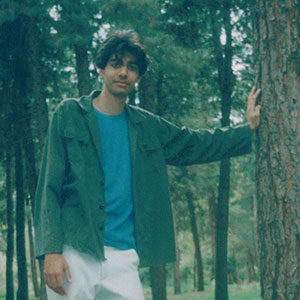

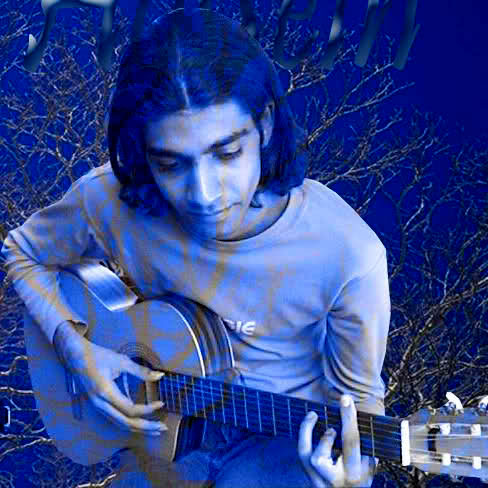

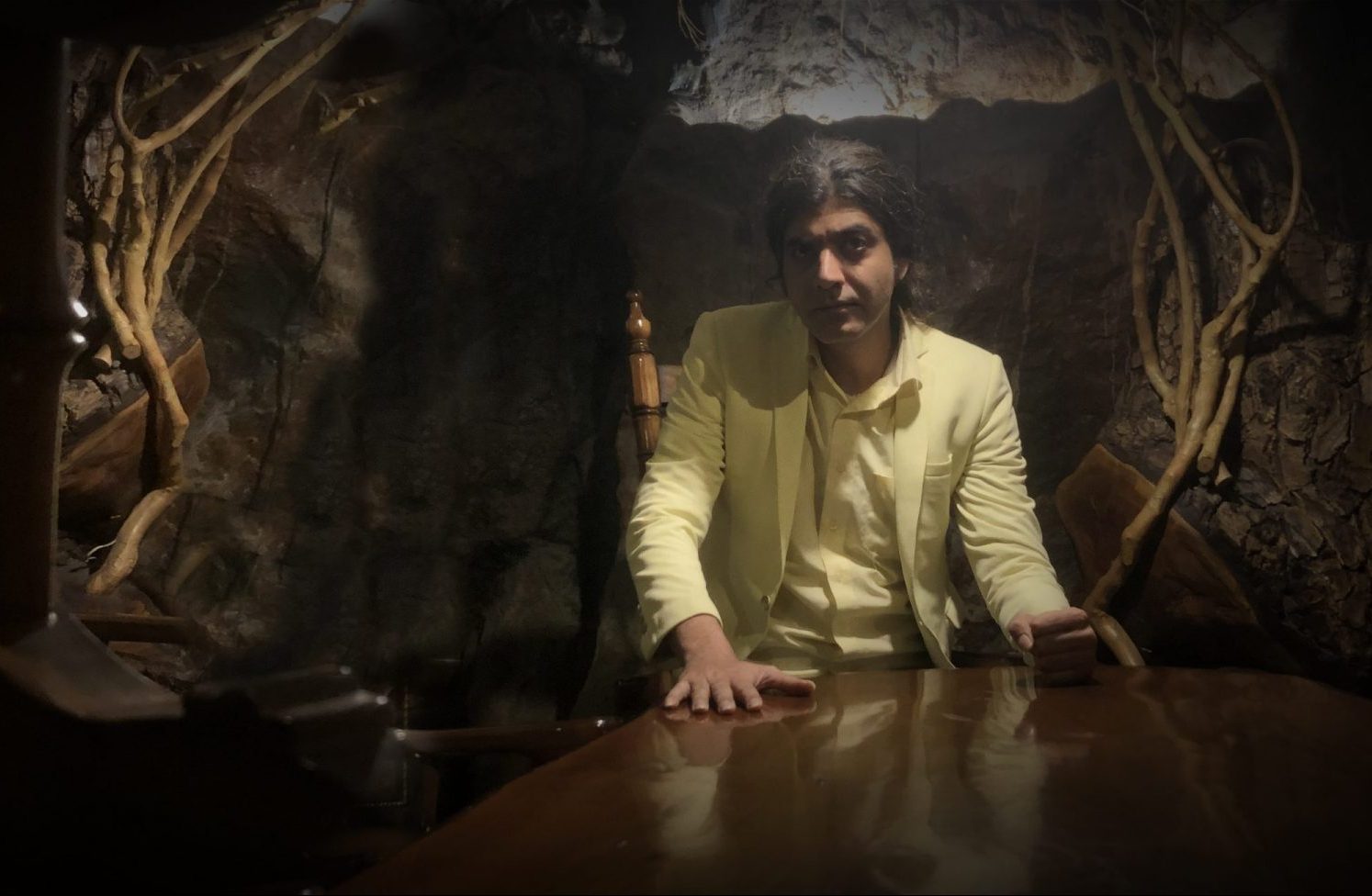
Birth Name: Hossein Sabbaghi
Born: March 21, 1988 (age 38 years)
Birthplace: Mashhad, Iran
Nationality: Iranian
Marital Status: Single
Height: 188 cm
Eye Color: Brown
Occupation: Composer, Guitarist, Arranger, Recording Producer
Genres: Classical, Electronic Music, New Age, Epic, Electronica, Soundtrack, Techno, Rock, and Natural Sounds
Instruments: Synthesizer, Piano, Keyboard, Electric Guitar, Classical Guitar, Percussion Instruments, Daf, Tempo or Darbuka
Albums: Glucose, Atmosphere, Planet Earth, Rastakhiz, Legend
Years Active: 2002 – Present
Personal Life
Family and Cultural Background
Hossein Sabbaghi was born on the first day of spring, March 21, 1988, in Mashhad, into a hardworking family. His father was a laborer and his mother a homemaker, and none of the family members had a musical background. Mashhad, with its limited cultural environment and a segment of society holding negative views toward musicians, was not an easy place to nurture artistic talent. Yet, the first sparks of his familiarity with sound and music were ignited thanks to his father—a man who mostly recorded the voices of family members, the chants and clapping of gatherings, and preserved these moments as keepsakes.
Hossein discovered the extraordinary power of sound not through melodies or formal songs, but through these recorded voices and the experience of reliving memories years later by listening to them again. For him, sound became a way of reviving past moments and reconnecting with family emotions. This simple yet profound experience shaped his perception of music and taught him that sound could serve as memory, emotion, and personal history.
Growing up in such an environment, Sabbaghi’s early exposure to music was not through formal education or professional guidance, but through intimate family moments and the joy of listening. The cultural atmosphere of Mashhad, often conservative and cautious toward artistic expression, made the pursuit of music a challenge. Yet, these very challenges nurtured his resilience and independence. The absence of a musical tradition in his family meant that every step he took was self-discovered—a personal journey of exploration rather than inheritance.
Thus, his family and cultural roots became both a limitation and a source of strength: while the environment lacked encouragement, the warmth of family traditions and his father’s subtle engagement with sound provided the foundation for his future. It was within this paradox—between restriction and inspiration—that Sabbaghi’s identity as an independent composer began to take shape.
Childhood and Early Interests
From an early age, he was driven by a passion for exploration and experience. He was not only fascinated by music but also deeply interested in travel and nature—an interest more aligned with survival skills and bushcraft than mere recreation. This inquisitive spirit later echoed in his music.
Education and School Years
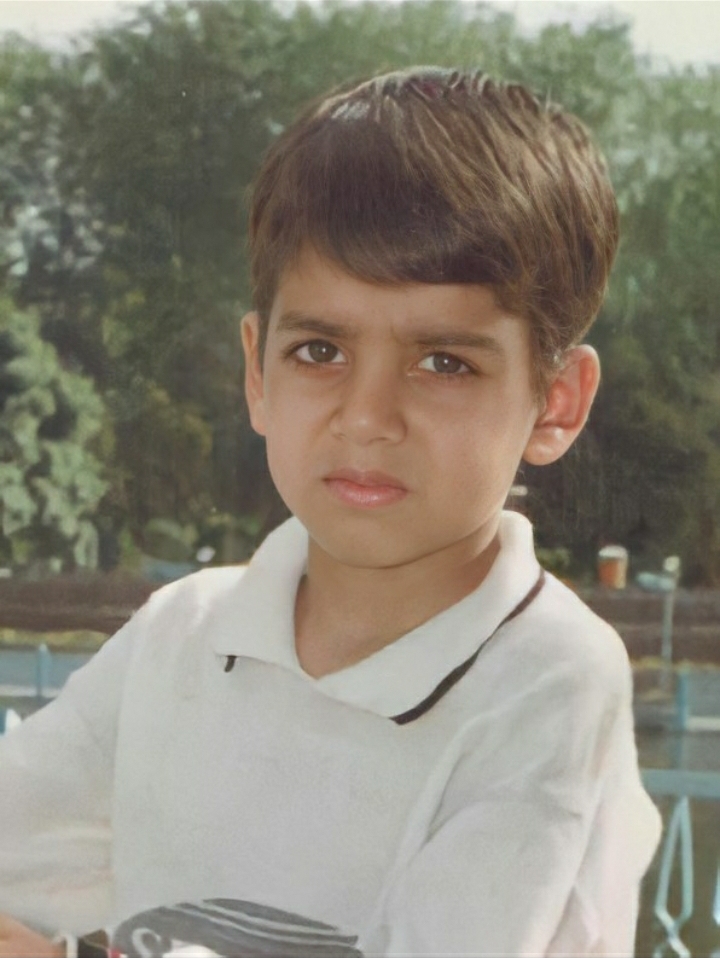
He attended Ebne Sina Elementary School and Ghaem Middle School. Despite rarely doing homework or studying at home, he consistently achieved high grades and was recognized as an outstanding student. He received multiple certificates of appreciation, and his photo was published in the book “Blooming Talents,” which showcased top students. However, he sometimes faced disciplinary actions due to tardiness or incomplete assignments—years when corporal punishment was common in schools, especially in working-class neighborhoods where education was strictly enforced.
Cultural Experiences and First Encounters
His first cinematic experience occurred during those years when he went to see the early screenings of the film “Kolah Ghermezi.” Despite his deep love for music, he has never attended a major music concert—not out of disinterest, but due to the lack of opportunities and religious and cultural restrictions in his environment.
Vocational School Years and Quest for Knowledge
He attended Takhti Vocational School in Mashhad, which offered programs in electricity, welding, and plumbing, but no formal music education. Nevertheless, his passion for art led him to local libraries, where he spent countless hours reading. With the rise of internet cafes, he dedicated long hours to online research and learning—from studying music theory to exploring composition software and listening to international artists.
Artistic Persona in School
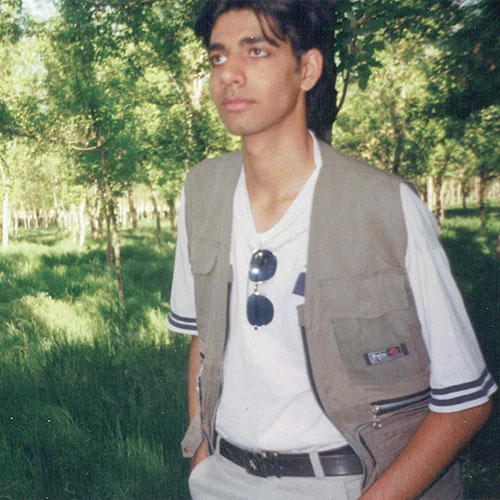
Hossein’s deep admiration for Michael Jackson during his school years became more than just a personal interest—it evolved into a defining signature of his presence. He not only followed Jackson’s music closely but also mastered imitating his voice, lyrics, and signature moves, especially the iconic moonwalk. Often, the moment he stepped into the classroom, he could, in less than a minute, transform the atmosphere by launching into a brief yet captivating reenactment of a Michael Jackson performance—singing, moving, and channeling the energy of the King of Pop with remarkable precision.
These spontaneous performances quickly became a cherished ritual among his classmates, who eagerly awaited the next moonwalk. Combined with his sharp humor, creative ideas in art class, and knack for turning even ordinary moments into something memorable, Hossein gradually became the school’s unofficial artistic figurehead. Whether it was the latest music news, a burst of rhythm tapped out on a desk, or a perfectly timed dance move, he was the one everyone turned to for a spark of inspiration and entertainment.

Technical and Athletic Skills
During this time, he learned basic computer skills at Misagh Center, an experience that later played a crucial role in his entry into the world of digital music. He also achieved success in karate, adopting principles such as discipline, focus, and perseverance, which he carried into his artistic life.
Inspirations and Artistic Connections
Hossein Sabbaghi drew inspiration from the sounds and atmospheres of groups and projects like Enigma, Koto, and Era. He also engaged in remote communication and exchanges with renowned global artists, including Clint Mansell, Jackie Jackson, T.J. Jackson, Brandi Jackson, Alex jülig, and Shahram Zandi. Some of these artists have seen and become familiar with his work.
Overcoming Limitations
These connections might seem minor to some, but for someone who grew up in a culturally and economically constrained environment—without access to a music vocational school or the ability to purchase instruments—these moments served as validation of his efforts. Most of his peers in the neighborhood and school faced harsh social and economic conditions, with some falling into addiction, crime, or even losing their lives. In such a setting, achieving a healthy and active artistic life is not just a personal success but a form of resistance against the deprivations and limitations that still weigh heavily on the minds and hearts of his generation..
Electromechanical Technician Profile
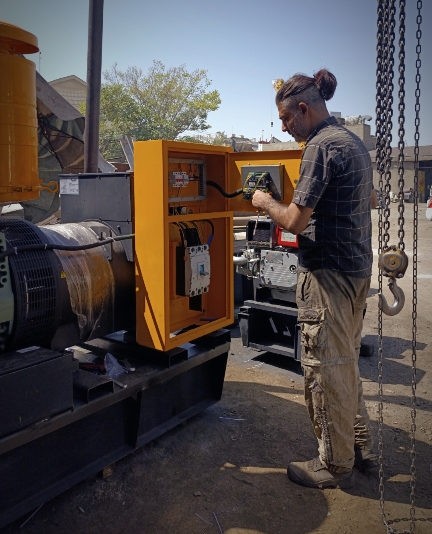
Hossein Sabbaghi, alongside his passion for music, entered the field of electromechanics in 2014 due to severe financial pressures. Despite his proficiency in computers, website and software design, and repeated efforts to build alternative career paths—such as launching a computer services office, graphic design, or printing—none of these ventures succeeded.
Ultimately, he was forced to remain in this demanding profession. Over time, the diversity of disciplines and technical challenges in the field began to appeal to him. His first major project, after numerous experiences repairing small motors, was disassembling and reassembling a 200-horsepower vertical pump electromotor. Although the rewinding department handled the core repairs, Hossein was responsible for the most difficult part: the mechanical disassembly and reassembly of the unit, which due to its heavy weight, could only be managed with a chain hoist.
The lack of suitable employment and no income from music kept him on this path. The profession is extremely hazardous, involving three-phase electricity and heavy industrial equipment. Despite years of experience, Hossein does not consider himself a master of the trade; in industries without personal investment, skilled individuals are often confined to the hardest labor tasks, while decision-making and core responsibilities remain with the business owners.
These owners placed Hossein in a position that resembled forced labor more than professional growth. He felt like a mere physical tool—an emotionless machine tasked only with moving heavy equipment. In the workplace, real training was virtually nonexistent; technical principles were not properly conveyed, and the final goals of projects were never made clear. Workers were employed solely for exhausting physical tasks, without opportunities to understand the logic behind processes or participate in specialized areas.
This experience trapped Hossein in a cycle of repetitive physical labor, preventing him from becoming a true specialist—despite having the capacity for learning and analysis, he was never given the chance to apply it. Nevertheless, he did not give up. Along the way, he became familiar with skills such as welding, milling, drilling, generator disassembly and reassembly, coil installation, and various types of industrial repair, gaining valuable hands-on experience.
In the photo, Hossein Sabbaghi is seen performing the final assembly steps of a Cummins 400 diesel generator, inspecting its control panel.
The electromechanical profession, with all its complexity and danger, rarely offers true recognition or reward to those who bear its burdens. Hossein has often wondered why the most physically demanding tasks are consistently assigned to him without regard for his physical health or intellectual growth. Structured training is absent, appreciation is lacking, and constant risk is part of the daily routine. In this path, his body has worn down far more than his mind has been allowed to grow. It feels as though in this industry, progress has been replaced by mere survival.
Yet amid these financial and industrial pressures, Hossein never abandoned music. He managed to establish a small gallery and a music academy—a space to preserve his artistic identity, teach, and foster cultural expression. This initiative not only symbolizes his resilience in the face of hardship, but also reflects his determination to build an independent platform for art and education within his community. While his body was worn down by industrial labor, his spirit remained alive through music, finding a meaningful path forward.
Michael Jackson influence and stage activity
During the early 2000s Michael Jackson’s work was a clear and practical reference for Hossein Sabbaghi. He studied Jackson’s vocal phrasing, stagecraft, and choreography, and recreated signature moments—most notably routines inspired by “Billie Jean” and “Dangerous”—in small venues and online gatherings. Sabbaghi experimented with cutting and mixing segments of Jackson tracks to develop original dance routines, and at times his movement work and stage persona (including costume elements such as hat and gloves) led audiences to equate his performances with Jackson‑style shows. Those moments produced intense public excitement; following some performances he would leave the stage quickly to avoid overwhelming attention from enthusiastic spectators.After Michael Jackson’s death, Sabbaghi sent a handwritten condolence and a photograph to the Jackson family. Within months he discontinued regular public performances in the Michael Jackson style and street‑style hip‑hop shows, and he stepped away from singing in that idiom entirely. He redirected his artistic focus toward instrumental music and composing—making nonvocal music his principal creative goal.These Jackson‑inspired activities sharpened his movement vocabulary and stage confidence but also clarified an artistic boundary. Over time Sabbaghi recognized that faithful renditions or high‑visibility imitations risked obscuring his identity as an original composer. He treated Jackson’s influence as a formative apprenticeship: valuable for learning performance technique and theatrical craft, yet ultimately subordinated to his commitment to writing and producing his own music. Though he occasionally accepted short tribute requests explicitly presented as homage, his priority remained creating original, predominantly instrumental works.
That experimental pre‑professional period, with all its uncertainties and discoveries, became the foundation of my work. Audiences thrilled to my dance and performances, but I gradually understood that performing someone else’s music—even when I imitated Michael Jackson—did not satisfy my inner creative needs. After his death I sent a handwritten note and a photograph to the Jackson family, and a few months later I stopped performing regularly in that style and left street‑style hip‑hop singing behind; from that point on I committed myself to composing instrumental music and creating original works.
Hossein Sabbaghi
Professional Beginnings
LOVEECH Record Label
Hossein Sabbaghi created the LOVEECH identity in 2005 as a personal music brand and independent record label. Early releases and productions appeared under the LOVEECH name, and listeners soon began saving his tracks in playlists labeled LOVEECH.
LOVEECH originally began as the record‑label identity, and the forum later adopted the name as a community platform. While LOVEECH began primarily as a record label and artistic identity, the name also gave rise to a parallel online space: the Loveech Forum.The Loveech Forum’s beginnings were informal and conversational: its earliest gatherings were organized as Yahoo Messenger conferences, which then evolved into a weblog and later into hosted community spaces using free forum builders and subdomain hosting. The Loveech Forum launched around 2005 as a Persian‑language cultural community and quickly became a hub for music and digital‑culture enthusiasts, including Iranian Michael Jackson fans and followers of hip‑hop/rap and electronic dance music. The forum was hosted at the subpath loveech.com/persian/forum (initially on a cost‑saving subdomain of the LOVEECH site), while LOVEECH.com functioned as the label’s public site and brand for his independent music releases.Naming history — Early on, community members and visitors used informal nicknames reflecting Hossein’s artistic persona and the project’s scope: he was sometimes called “Loveech Band” and “Iranian Michael Jackson” or “Loveech Jackson,” and because the site contained a wide range of features it was occasionally referenced as “LOVEECH Company.” These informal titles circulated before LOVEECH became the established identity and help trace how public perception and community language shaped the brand.Over time the two uses of the name remained distinct but connected: LOVEECH as the record‑label identity and Loveech Forum as the community platform. The forum went through platform migrations (free hosts → weblog → Joomla and early Kunena), a brief hiatus and a 2010 relaunch, and a longer inactivity from 2018 until its revival in December 2023 with all user accounts preserved. Design and all programming work for the forum have been completed solely by Hossein Sabbaghi.In later years the forum’s registered title shifted: although it originated under the LOVEECH identity, it is now registered and presented as the Hossein Sabbaghi Music Forum, while LOVEECH continues as Sabbaghi’s record‑label identity and public site. Today the forum is active at forum.hosseinsabbaghi.com and hosts discussions on music and composition, guitar lessons and production software, film and video games, travel and nature, bushcraft, and technology.Building on the LOVEECH identity and the community work around it, Hossein then moved into formal professional projects and studio practice.
Official label website: www.LOVEECH.com
Entering the World of Guitar – A Research-Based Approach
Hossein Sabbaghi has been active in music since 2002, and in 2004 he began playing the guitar—not through the typical “a few chords and a rhythm” approach, but with an analytical and research‑driven method. He dedicated years to mastering the exact position of every note on the fretboard, understanding the structure of scales, and breaking down each chord by the number and nature of its constituent notes. Rather than practicing pre‑written melodies, he preferred to play scale sequences across different frets, building a conscious and deliberate relationship with the instrument.
This method of learning, which emphasized deep understanding over rote imitation, laid the foundation for his educational and artistic perspective. For him, the guitar was not merely an instrument but a key to understanding music. Although the only guitar he had was a simple nylon-string model that didn’t suit his preferred style, it became the starting point of a journey that would later lead to his unique electronic compositions. He even refurbishes low-end guitars with major adjustments and presents them under his personal brand, LOVEECH.
The Beginning of the Electronic Music Journey
](https://hosseinsabbaghi.com/fa/wp-content/uploads/2022/01/Hossein-Sabbaghi-home-Studio.jpg)
Hossein Sabbaghi’s musical journey began with his first computer.
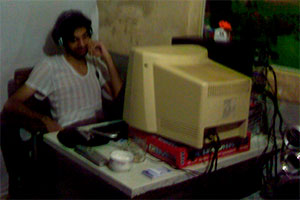
He started his exploration of electronic music with minimal resources—no MIDI controller or advanced instruments, just a rented computer and a basic pair of headphones. This humble beginning reflected his unwavering determination to pursue his dreams.
In 2007, using modest savings, he purchased second-hand music equipment and set up his first personal studio. A year later, he acquired a suitable computer, eliminating the need for rented systems. For every track he created, he also mixed a video and shared it privately with acquaintances. The positive feedback he received doubled his motivation and confidence to continue.

Discovering a Personal Path
A pivotal moment came when he composed the melody for the track “Glucose”. It felt promising in theory, but when he heard it played through a synthesizer, he stood in the middle of the room and said to himself, “This is it!” That was the moment he realized he could create music that didn’t rely on lyrics, and he became committed to producing instrumental works.
First Official Recording and Release
His first official recording, the track “GLUCOSE”, was completed in 2009. A year later, it was released as his debut album under the same name in 2010. This release marked a turning point in his career; despite cultural limitations and lack of resources in Iran, he managed to produce a work that met international standards.
Feedback came primarily through online connections and listeners outside Iran. In his local environment, traditional and street-style Iranian music was prevalent, and electronic genres like electronica were not widely embraced. However, his works gained attention internationally, especially in online spaces, where they received positive reactions.
Hossein Sabbaghi’s album Glucose, produced in 2009–2010 in Mashhad with minimal equipment—a weak computer, basic headphones, and no studio monitors—is a technical and emotional triumph. Despite geographic isolation and limited resources, Sabbaghi engineered three distinct versions (Original, Dream, Spirit) from a single theme, each reflecting a different sonic world and emotional state. His mastery of frequency bands, creative use of silence, and reliance on pure listening rather than visual tools allowed him to reach global standards in Trance and Techno.
More than a music collection, Glucose is a manifesto of resistance: a self-taught artist transforming hardship into sound, using frequencies like 444Hz and 528Hz to evoke metaphysical depth. The album’s rhythmic architecture creates a timeless experience, and its emotional dualities—aggression vs. escape, reality vs. dream—mirror Sabbaghi’s inner battles. Today, he teaches with nothing but a marker and a board, proving that music lives in the ear, not the gear. Glucose stands as a lasting symbol of artistic will: a blueprint for creating with nothing but soul and determination.


](https://hosseinsabbaghi.com/fa/wp-content/uploads/2006/04/Hossein-Sabbaghi-Guitarist-farvardin-1385-classic-guitarist-scaled.jpg)
](https://hosseinsabbaghi.com/fa/wp-content/uploads/2022/01/Hossein-Sabbaghi-1384-AZAR.jpg)
](https://hosseinsabbaghi.com/fa/wp-content/uploads/2021/05/Hossein-Sabbaghi-guitar-1386-02-22.jpg)
](https://hosseinsabbaghi.com/fa/wp-content/uploads/2022/01/Hossein-Sabbaghi-home-Studio-Monitoring.jpg)
](https://hosseinsabbaghi.com/fa/wp-content/uploads/2022/01/Hossein-Sabbaghi-Home-Studio-korg-MIDI-controller.jpg)
](https://hosseinsabbaghi.com/fa/wp-content/uploads/2021/05/Hossein-Sabbaghi-Bass-guitar.jpg)
Hossein Sabbaghi – Bass Guitar
Discovering Frequencies and a Scientific Approach to Sound
One of his personal discoveries during those years occurred while tuning his guitar. He would consistently tighten the strings about 15 cents sharper than standard tuning, which unknowingly brought him to the A444 frequency. This not only made the guitar sound more pleasant but also reduced unwanted vibrations. Later, this experience became part of his scientific and experimental approach to sound and tuning, which also influenced his electronic compositions.
Style, Artistic Signature, and Philosophical Dimension
Hossein Sabbaghi has created works in genres such as electronic, electronica, modern, epic, and new age, each bearing his unique artistic signature. His compositions, especially in epic and new age styles, are known for their energetic rhythms and atmospheric textures reminiscent of trailer and cinematic music.
He views music not just as an auditory art but as a language for expressing philosophical ideas and human experiences. In pieces like “Universe” (Giti) tuned to 432 Hz, and “3D World” with subtle shifts between 440, 444, and 432 Hz, he invites listeners to a multilayered and contemplative experience—one that evokes tranquility, sorrow, and reflection on life.

Hossein Sabbaghi playing classical nylon-string guitar, March 2006 (More photos…)
Discography
Hossein Sabbaghi’s works have been released on dozens of major global platforms, meeting technical and legal standards accepted in the music industry. For him, the goal was never “sales” but “preservation and permanence of sound.” The fact that today’s audio recognition systems can identify the tone of his works is a definitive success—a milestone that might be considered “step zero” in some countries, but for an artist emerging from the geographic margins of the music industry, it signifies crossing borders and leaving a lasting mark. Even when local barriers made distribution difficult, his works were accepted internationally—an endorsement of their quality and authenticity.
International Recognition and Connections

- NNPDF Appreciation for “Arina”:
- Achievement: Official thank-you message from the National Niemann–Pick Disease Foundation (USA) for the track “Arina.”
- Significance: A human connection between music and a global community; affirmation of emotional and social impact.
- Demo of “An Epic Single” Heard:
- Achievement: Unreleased/demo version of “An Epic Single” heard by Brandi Jackson.
- Significance: Independent sound crossing borders and reaching professional ears.
- Encouragement from Clint Mansell:
- Achievement: Received hope and motivation from the renowned film composer.
- Significance: Recognition of a creative path by a respected artistic authority.
- Conversation with Alex Jolig:
- Achievement: Direct communication about work and artistic journey.
- Significance: Expansion of a cross-border professional network.
- Phone Call from Shahram Zandi (the only Iranian among the names above):
- Achievement: A heartfelt and professional connection from the Iranian community.
- Significance: A reminder of roots alongside international horizons.
Albums (Based on Apple Music Data)
| Title | Release Date | Tracks | Duration | Links |
|---|---|---|---|---|
| Glucose | 26 Aug 2010 | 10 | 36:00 |  |
| Atmosphere | 29 Oct 2011 | 10 | 39:00 | |
| Planet Earth | 30 Dec 2018 | 10 | 42:00 | |
| Rastakhiz | 16 Oct 2021 | 10 | 36:00 | |
| Legend | 13 Dec 2023 | 10 | 43:00 | |



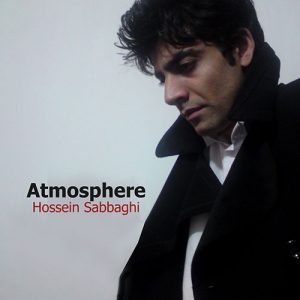
Artistic Vision: From early electronic foundations and creation with minimal resources, the path evolved toward narrative-driven, atmospheric, new-age, and epic electronic music—with distinct timbral signatures (layered synths, minimal piano, plasma-like textures, cinematic dynamics).
Singles and Notable Versions
- Danger (Single): 21 Aug 2010 — 03:24
- Signature: Energetic electronic; introduction to the world of Glucose.
- 3D World (Single): 7 Aug 2010 — 03:17
- Signature: Piano-centered, handcrafted bass, futuristic.
- Glucose (Single): 25 Jul 2010 — 05:00
- Signature: Main theme with extended single version.
- Danger (Summer Version): 25 Jan 2012 — 03:10
- Signature: Summer arrangement with brisk rhythm.
- 3D World (Fall Version): 21 May 2013 — 03:21
- Signature: Autumnal coloring with electric guitar.
- Memories of the Planet Earth: 22 Feb 2018 — 04:19
- Signature: Nostalgic–spatial; transition from human to planet.
- Arina: 24 Nov 2019 — 03:52
- Signature: Minimal piano, hope within sorrow; tribute and empathy.
- Masiha: 29 Oct 2019 — 02:38
- Signature: Epic–new age layers; connection to the album Rastakhiz.
- The Last Hope: 5 Nov 2019 — 03:09
- Signature: Piano and military percussion; standing at the edge of darkness.
- The First Night After The Resurrection (Demo): 11 Feb 2020 — 03:00
- Signature: Early draft of “Rastakhiz” before the final album version.
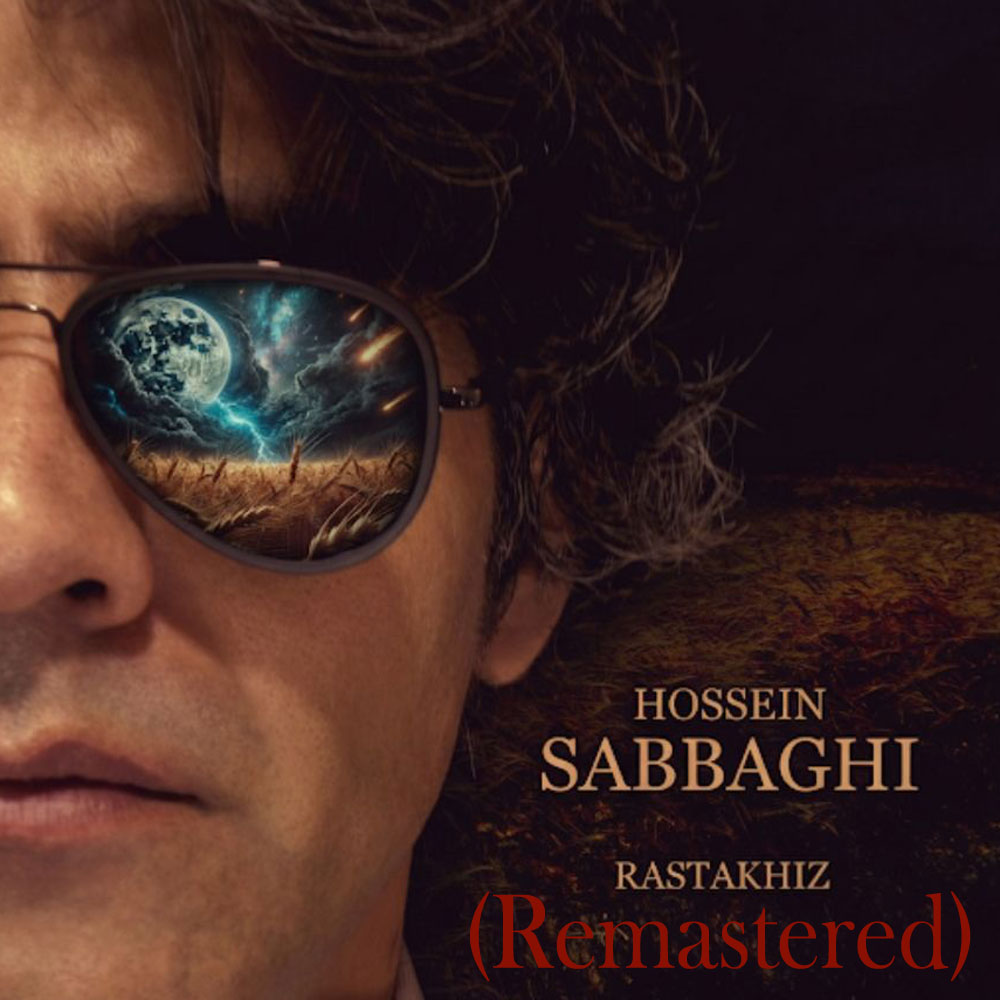
Rastakhiz (Remastered) (2025)
Released on September 16, 2025, the remastered edition of Rastakhiz presents a fully optimized listening experience for speaker playback in open environments. Originally released on October 16, 2021, this studio album by Hossein Sabbaghi spans 10 tracks over 35 minutes, blending New Age, Electronica, and Epic genres with a distinct philosophical and sonic depth.
Recorded between 2018 and 2021 at Hossein Sabbaghi Studio, the remastering process was completed in 2025, offering enhanced clarity and dynamic range while preserving the original emotional and compositional integrity. The album is released under the independent label LOVEECH, with all music composed and produced by Hossein Sabbaghi.
The remastered edition is available as a free download in both WAV (16-bit) and MP3 (320kbps) formats, reflecting the artist’s commitment to accessibility and ethical publishing. While the original release remains available on platforms such as Amazon, Apple Music, YouTube, and Spotify, listeners are encouraged to support the artist by purchasing the original edition, which was designed for headphone listening.
⚠️ This release is free for personal and non-commercial public playback. Redistribution or commercial use requires written consent from the copyright holder.
Visit the album page to explore and download the remastered edition for free.
℗ 2021 Hossein Sabbaghi © 2021 Hossein Sabbaghi Remastering © 2025 Hossein Sabbaghi Released under LOVEECH Record Label
Videos and Visual Narratives
| Title | Type | Date | Duration | Notes |
|---|---|---|---|---|
| Rastakhiz (Music Video) | Music Video | 2 Apr 2025 | 2:52 | Written and directed by Hossein Sabbaghi; suspension of light, stillness, and regret. |
| 3D World (Live in Studio) | Live Performance | 3 Aug 2023 | 3:28 | Solo performance; reimagining the future in the sound room. |
| Manaye Zendegi (Music Video) | Music Video | 23 Oct 2021 | 5:54 | A philosophical narrative of meaning and everyday life. |
| Memories of the Planet Earth (Short) | Short Video | 26 Jun 2021 | — | A visual piece of planetary nostalgia. Walking in the childhood park. |
“Rastakhiz” – A Short Film in Music Video Format
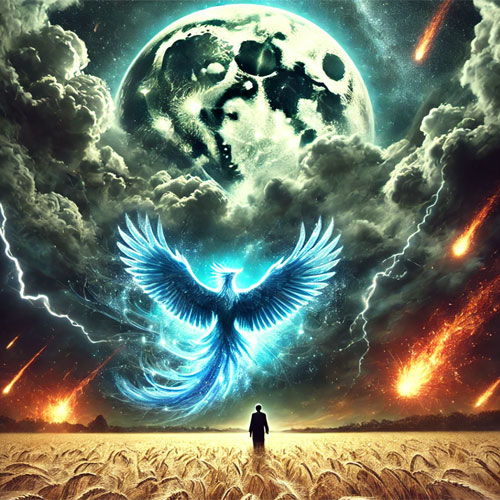
“Rastakhiz” Music Video, written and directed by Hossein Sabbaghi, was released on April 2, 2025. With a duration of 2 minutes and 52 seconds, it visually and narratively reimagines the third track of the album “Rastakhiz.” The work depicts a fully virtual and symbolic world where all characters, scenes, compositions, and visual effects were entirely designed and created by Hossein Sabbaghi himself. “Rastakhiz” cannot be considered merely a music video; in its structure, language, and mise-en-scène, it approaches the form of a complete short film. Sabbaghi, using full-scale visual effects, has created a world where none of the elements exist in physical reality, yet in the frame, they come to life with believable coherence.
In this digital world, every detail—from the texture of wheat stalks to the plasma light reflections on the wings of the Homa bird—has been crafted with obsessive precision and narrative intent. This visual unity allows the viewer, even without knowing the work is entirely virtual, to feel immersed in the space. The fusion of music and image is not just a simple accompaniment but a deep dialogue between two artistic languages that complete each other. This synergy turns “Rastakhiz” into a multisensory experience that engages the eyes and provokes thought. The result is a work that remains alive in the viewer’s memory and invites repeated viewing. All material and intellectual rights of this work belong to Hossein Sabbaghi.
Narrative and Drama
The story begins with a calm yet expectant atmosphere: a golden field under a cloudy sky, a cobblestone road, and the arrival of the main character in a white jeep. This introduction evokes the suspense of a sci-fi film. The arrival of the “transstellar intelligence” and the mythical substance “Plasmanium” marks the narrative’s turning point—where the story world shifts from reality to the realm of metaphor and myth. The birth of the “Homa” bird—a blue, translucent creature—is the cathartic moment of the piece, but contrary to expectations, this climax does not lead to salvation; instead, it ends in heavy stillness and regret.
Mise-en-Scène and Visual Design
All scene elements—from wheat clusters to the metallic texture of the cube structure—are digitally designed with precision. This complete control over the environment allowed the director to use every detail in service of the narrative. The field symbolizes life and hope; the cube structure represents knowledge beyond humanity; and the Homa bird embodies a rare moment of balance amid chaos.
Light, Color, and Space
Lighting plays a key narrative role. The beginning, with evening light and heavy shadows, builds suspense. When the device activates, bursts of green and blue light transform the space into a supernatural realm. In the end, the hesitant, pale light of the sun and moon symbolizes the suspension of time and existence. These color choices do not mimic nature but create an independent emotional language.
Camera Movement and Editing
The camera, with slow movements and minimal framing, creates a meditative rhythm. Editing relies on pauses and silences rather than fast cuts—like films that aim to make the viewer reflect. This choice allows the music not just to accompany the image but to become a narrative partner.
Visual Effects as Narrative Language
Since the entire location and performance are digital, visual effects in “Rastakhiz” are not mere decorative tools but the primary narrative language. The simultaneous halt of the sun and moon, the birth of a plasma bird, and sudden changes in the sky are all impossible in the real world but are executed with cinematic quality and visual coherence in this virtual realm.
Symbolic and Philosophical Layers
Beneath its surface, “Rastakhiz” tells the story of a one-time opportunity that, if missed, turns into a silence that no longer saves. The Homa bird, symbolizing love and eternity, appears only briefly. The stillness of the sun and moon is a pause for understanding—but an understanding that comes too late. These concepts elevate the video from a purely visual experience to a philosophical reflection. “Rastakhiz” can be considered a rare example of music videos that blur the line between music and cinema. With its coherent narrative, precise visual design, purposeful lighting, and full-scale visual effects, it builds an independent world that defines its own rules. The result is an experience that remains memorable both technically and conceptually.
Personal Connection, Collective Mission
- Educational Mission: Today, Sabbaghi teaches music professionally at the academy he founded, emphasizing auditory literacy, artistic independence, and honesty in the process.
- Ultimate Goal: To nurture students who find their own “voice”—thousands of potential Hossein Sabbaghis who rely on understanding and creativity instead of imitation.
- Guiding Principle: Timely awareness; honoring “this moment”—in both creation and learning.
Philosophy of the Work
- Standards Before Fame: First technical/legal quality, then visibility.
- Permanence Before Market: Sound must endure, even when its creator is absent.
- Bridge Before Border: When a work speaks truthfully, borders fade—from a distant room to distant ears.
Unofficial Albums and Demos
Alongside his official albums, Hossein Sabbaghi has created a collection of unofficial works and demos—pieces that include early experiments, raw ideas, and test versions of tracks that later evolved into formal releases. These collections, often not publicly released, offer a behind-the-scenes look at his creative process and show how a musical idea transforms from exploration and trial into a complete, published work.
Though less known than his official releases, these demos and unofficial albums testify to Sabbaghi’s ongoing effort and exploratory spirit in discovering new sounds, spaces, and styles. Listening to these works gives the audience a chance to closely follow his artistic evolution and engage with the hidden layers of creation.
In these experiments, he combines advanced techniques with traditional instruments and electronic textures to create new auditory worlds—worlds that transcend conventional musical boundaries and captivate a wide range of listeners, both online and in live performances.
Commentary on the Track “Glucose”
“Glucose” is one of Hossein Sabbaghi’s most iconic and enduring works—a piece that holds a special place in his portfolio and showcases his ability to create unique synthesized sounds. The melodic core of this track is built on a sound crafted through Sabbaghi’s own innovative settings—a sound first tuned and used in 2008, which became his sonic signature.
This distinctive sound was later used in the electronic track “This Moment” (In Dam)—a clear sign of Sabbaghi’s tendency to recreate and expand sonic ideas across different contexts and his experimental approach to sound design.
Continuing this path, in 2009 he composed the track “3D World,” enriched with piano melodies and custom bass guitar. Notably, the bass guitar sound in this piece was also designed by Sabbaghi himself, reflecting his mastery in sound engineering and design.
“3D World,” along with tracks like “Mazdavand,” “Atmosphere,” and “Danger,” forms part of a collection developed during those years, showcasing a diverse range of musical styles and atmospheres—from energetic electronic to minimal and atmospheric. This period marked a significant phase in Sabbaghi’s musical language development and solidified the foundations of his artistic identity.
The “Rastakhiz” Music Collection – An Epic Journey in Sound
The album “Rastakhiz,” composed and produced by Hossein Sabbaghi, stands as a landmark in his career and a rare example of blending electronic, new age, and epic music. With 10 tracks and a total duration of 36 minutes, it takes the listener on a multilayered journey—from mysterious silence to passionate peaks and finally to the boundless horizons of existence.
Officially licensed by the Ministry of Culture and Islamic Guidance and registered in the National Library, this album holds a solid position both artistically and legally. Released in October 2021, “Rastakhiz” quickly became one of Sabbaghi’s signature works—distinguished by its cohesive structure and clear narrative identity.
Track Highlights
- 1. Azal (Origin): A majestic and mysterious opening with full orchestration and layered synthesizers. Powerful percussion evokes movement and anticipation, turning the track into a cinematic overture.
- 2. Faza: Synth pads and atmospheric sounds conjure an infinite expanse. This track offers a sonic image of grandeur and solitude in the vastness of existence.
- 3. Rastakhiz : The album’s central piece, beginning with a melodic, suspenseful intro that gradually builds with fast electronic rhythms. Its dynamic, tension-filled structure symbolizes rebirth and profound transformation.
- 4. Manaye Zendegi : A musical narrative with a philosophical approach; gentle melodies and contemplative piano alongside questioning sounds deepen the album’s emotional impact and invite reflection.
- 5. inDam: A fleeting, vibrant moment with energetic electronic rhythms and thematic echoes from “Azal.” Emphasis on percussion adds a physical, pulsating dimension.
- 6. Zaman: A track with sorrowful, wistful melodies that portray the relentless passage of time. The music etches feelings of erosion and impermanence into the listener’s mind.
- 7. Masiha: An inspiring blend of classical, electronic, and new age music that enhances the album’s epic and uplifting tone. This track evokes redemption and hope.
- 8. Zendegi: A warm, minimal reinterpretation of the “Meaning of Life” theme, centered on classical piano. It offers a more intimate and human tone.
- 9. Homa: Inspired by the mythical bird, with violin and cello melodies and an epic rhythm that conveys power, mission, and spirituality. This is the emotional peak of the album.
- 10. Abadiat: A grand finale with classical piano drawn from “Azal,” completing the album’s cycle. It evokes a return to the beginning and the endless continuity of existence.
View Album Details Page
Key Features of the Album
Global Sensibility: Though rooted in Iranian cultural inspirations, the album’s musical language transcends borders and cultures. It speaks to listeners worldwide, taking them on a sonic journey full of mystery and epic grandeur—where emotions and mental imagery surpass geography and language.
Coherent Sonic Identity: Use of custom-designed sounds and precise orchestration blending with synthesizers.
Musical Storytelling: Each track acts as a chapter in a unified narrative, starting from the epic origin “Azal,” reaching emotional and dramatic heights in “inDam,” and concluding with the majestic, cyclical “Abadiat.”
Fusion of Tradition and Modernity: The album skillfully combines classical music elements—such as orchestral harmonies, acoustic piano melodies, and string instruments—with modern electronic techniques like sound design, synchronized rhythms, and digital layering. This fusion is not just a mix of styles but a creative dialogue between past and present, giving the album a unique sonic identity.
Achievements
Exploration in Electronic Music
Hossein Sabbaghi, an independent composer and producer, has carved a unique path in electronic music through creativity, innovation, and perseverance. Overcoming geographic and technical limitations, he has brought his works to global standards and released them on platforms and in countries that are often inaccessible to independent artists.
Published Works
- Released over 30 instrumental tracks with official licenses from the Ministry of Culture and Islamic Guidance and registration in the National Library (View Discography Page)
- Album “Rastakhiz” – a passionate and epic experience blending electronic, new age, and orchestral music (View Rastakhiz Album Details)
- Music collection “Glucose” – a journey through electronic, new age, and atmospheric soundscapes (View Full Glucose Album Description)
Honors and Recognition
- Received the National Digital Media Registration Badge from the Ministry of Culture and Islamic Guidance
- Official appreciation letter from the National Niemann–Pick Disease Foundation (USA) for the track “Arina”
- Gained attention from Jackie Jackson (singer and brother of Michael Jackson), who followed his official Instagram page
- Official like from Clint Mansell (renowned film composer) on Sabbaghi’s unofficial remix post
- Support from Alex Jolig (German singer) for his remix
- Recognition and interaction with international artists on social media
- Founder and owner of the international guitar and music equipment brand LOVEECH
- Discovery, mentorship, and support of young musical talents on their professional journey
Media Presence
- Interview with Radio Goftogoo on the program “Electronic Music”
- Broadcast of the track “Arina” by the National Niemann–Pick Disease Foundation (USA)
- Introduction and review of works on specialized electronic music websites
Artistic and Educational Activities
- Collaborations with prominent singers and musicians in Iran and abroad
- Live electronic music performances in intimate venues and private spaces
- Conducting workshops and offering guidance to beginner and intermediate students
- Establishing the Hossein Sabbaghi Music Association to promote music education and research through diverse methods
- Founding a specialized guitar and music equipment store in Mashhad
With creativity, innovation, and steadfast determination, Hossein Sabbaghi has defined his place not through fame, but through the standards and lasting impact of his works. For him, releasing music at the highest technical and artistic quality—and preserving it in the global memory—holds value beyond any level of recognition. Fame may be fleeting, but a work crafted to global standards and properly archived can endure even in the absence of its creator. This permanence carries a meaning for Sabbaghi that no popularity chart or headline can measure.
To be continued…